The Muddy-Paw Season Survival Guide for Dog Owners
Greater Seattle dog owners: a practical muddy-paw season guide — entryway setups, paw routines, and spot care that protect your carpet without ruining its fibers.
Monarch Cleaning ·
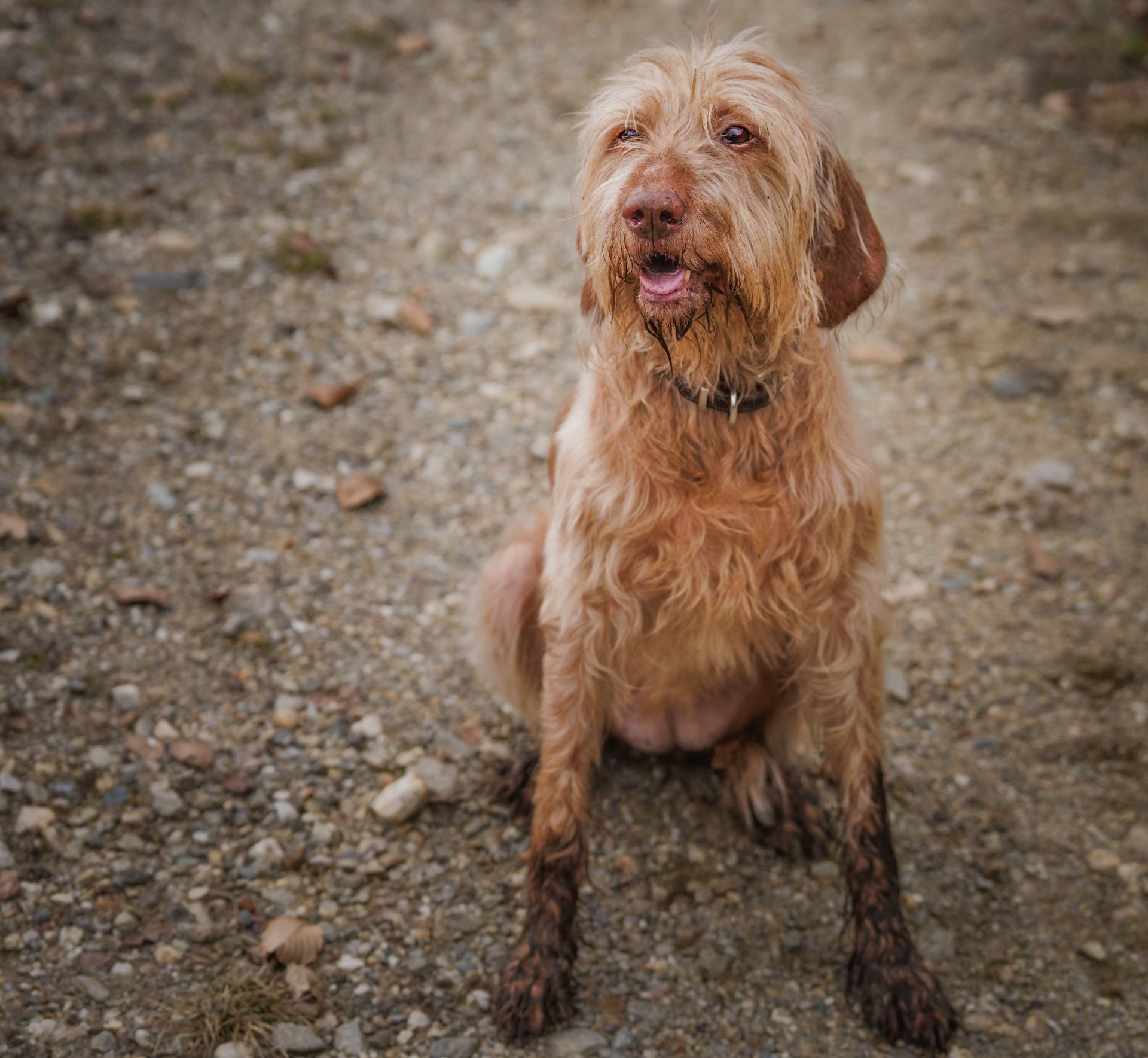
In Greater Seattle, muddy-paw season is not a week or two. From fall through spring, our rain keeps trails, yards, and sidewalks soft for months — and most of that moisture ends up where your dog comes in: the back door, the garage entry, and the first few feet of carpet beyond them.
You cannot stop the rain, and you should not have to choose between your dog and your carpet. What works is a simple system at the door, a gentle routine for fresh paw prints, and a professional clean when the season has worked deeper than surface care can reach.
Build a landing zone at the door your dog actually uses
Start where the mud actually enters.
Layer the entry. Put a coarse mat outside the door to knock off the worst of it, and a washable, absorbent runner just inside. That first three to four feet takes most of the damage, so make it the easiest part of the floor to clean.
Keep a paw station within reach. A shallow tray, two towels, and a small basin for truly muddy days will do more than any product you spray later. If you have to go looking for supplies while a wet dog shakes off in the hall, the system will not survive the second week.
A paw routine that takes under a minute
Consistency matters more than thoroughness. After each wet walk or yard break:
- Pause on the outside mat and let your dog shake off there, not inside.
- Wipe each paw with the damp towel first, then the dry one. For mud caked between the toes, a quick dip in the basin and a pat dry works better than scrubbing, which just spreads it.
- Let your dog settle on the runner for a few minutes before heading deeper in. Paws that look clean can still be damp, and damp paws redeposit soil on carpet.
Across Greater Seattle — Everett to Tacoma, Seattle to Snoqualmie — this small pause is the difference between an occasional spot and a permanent dark lane from the door to the kitchen.
What to do — and not do — with fresh paw prints
Fresh mud is one of the easier problems if you let it work for you. Let muddy prints dry first, then vacuum up the loose soil. Wet mud scrubbed into wet carpet just goes deeper.
For a spot that remains, blot gently with a clean cloth and a small amount of plain water. Blot — do not scrub. Scrubbing frays fibers and can spread the spot wider than the original print.
Be cautious with store-bought spot removers and home mixtures. Some leave a sticky residue that attracts more soil, so the spot seems to come back within days. Others can set a stain or affect the color. Test any product in an inconspicuous place first, use as little as possible, and stop if color comes off on your cloth. When in doubt, leave it for a professional clean.
Where home care reaches its limit — honestly
A season of paw traffic does more than leave visible prints. Fine grit carried in on paws settles at the base of the pile, where vacuuming does not fully reach it, and works against the fibers with every step. Pet odor builds up the same way.
That is where a professional clean helps. Every Monarch carpet cleaning uses truck-mounted hot water extraction — often called steam cleaning. Our technician inspects first, pre-treats spots and traffic lanes, then cleans with the truck mount. Standard pet deodorizing is included in every carpet cleaning.
We will be plain about the limits: we never guarantee complete stain or odor removal. Not every stain can be fully removed, and pet urine soaked into the pad or subfloor may not come out completely with surface cleaning. If a treated odor issue resurfaces shortly after a job, we come back and re-treat the area.
"In muddy season, show me your dog's route through the house first — the door, the turn, the spot by the couch. I pre-treat that whole lane, not just the prints you can see, because the grit at the base of the pile is what wears the carpet out. And keep the paw towels at that door — if they're not in reach, they won't get used." — Gideon Bertschinger, Lead Technician
Before we arrive, and after we leave
Before a cleaning, pick up small items from carpeted areas, secure your dog away from the work area, and make sure we can park the van close and reach an outside water spigot. You can leave carpeted areas clear, or we can move furniture as part of the service.
Plan on a typical drying time of about 4–8 hours, depending on ventilation and carpet type — a range, not a promise. Keep your dog off the carpet until it is dry to the touch, then restart the paw routine at the door.
Monarch Cleaning Services has been cleaning carpets in Greater Seattle since 1986, and we are licensed and insured. If muddy-paw season is winning at your house, call us at 206-782-2994 or book online — we're available Monday–Thursday, and we will give you an honest read on what a clean can and cannot do for your carpet.